
Concept First, Location Second: Why Your Cafe Needs a "Why"
Most people come with a space. I believe in doing it the other way around: concept first, then location.
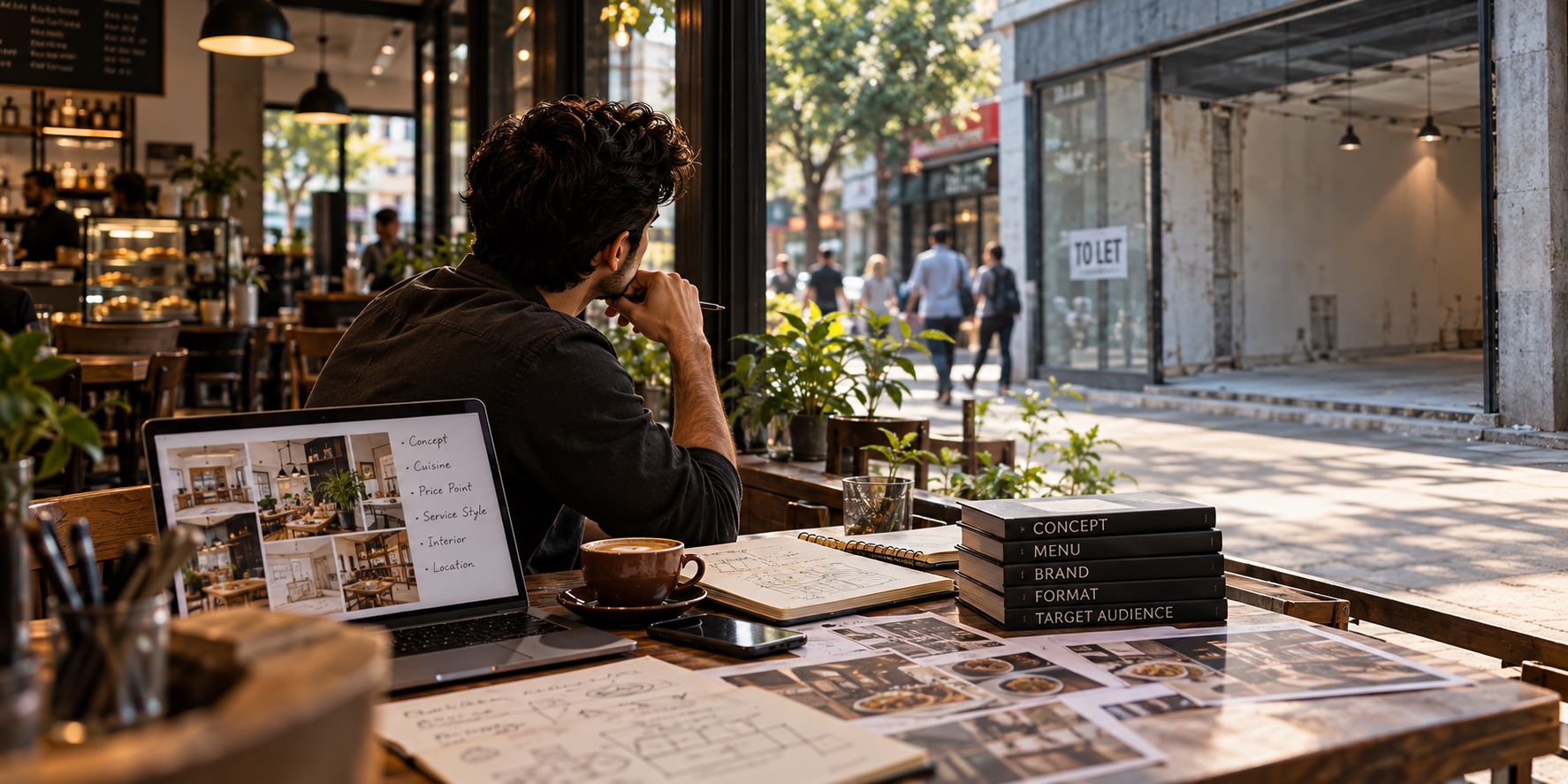
Most people come to me with a place. "I have a space in a market, what should I open there?" Or, "My family owns a shop on the main road, let us turn it into a cafe." It is the most common way people start in this industry. It is also, very often, the reason they struggle.
I believe in doing it the other way around: concept first, then location.
Start with the why
Before we talk about menus, interiors or Instagram, I ask every client a simple set of questions. Why this business? What gap in the market is it filling? Who is it for, and what will they get here that they cannot get two doors down?
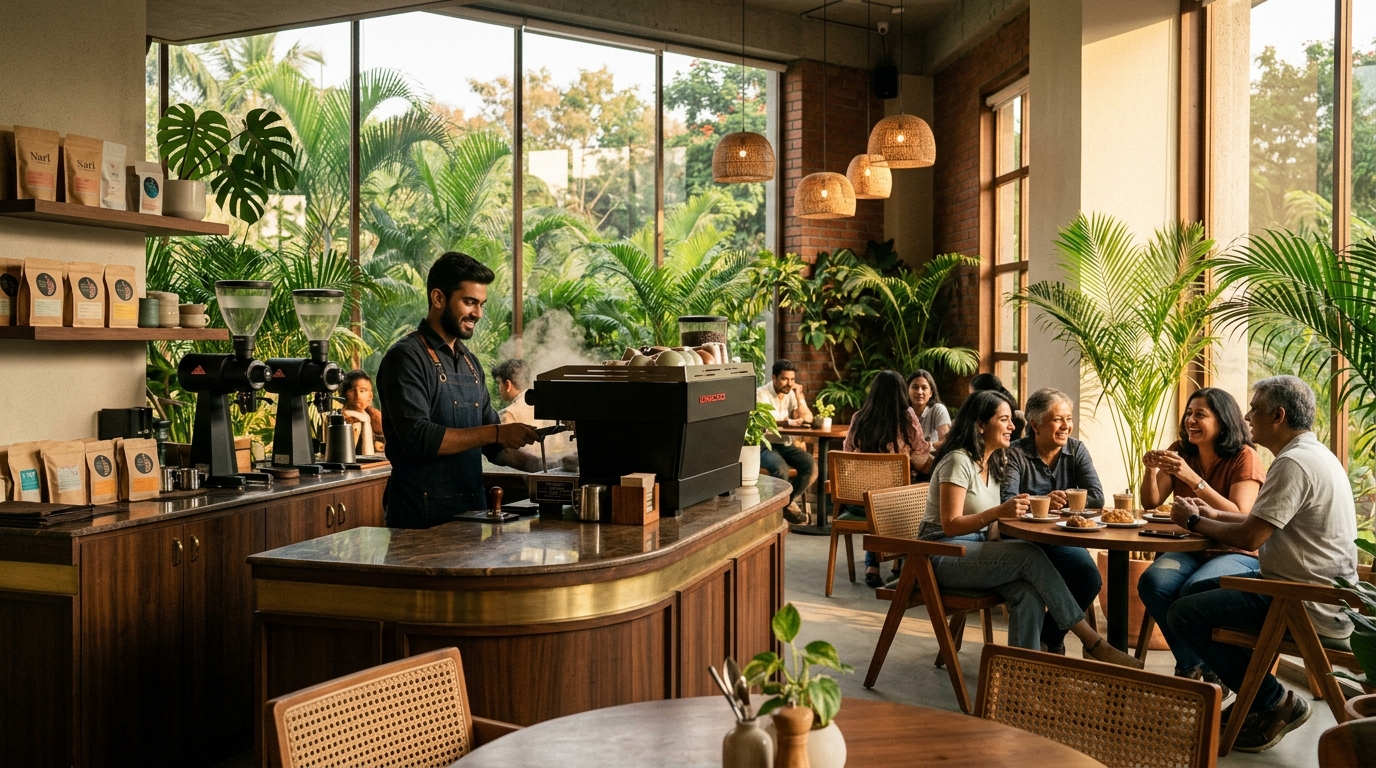
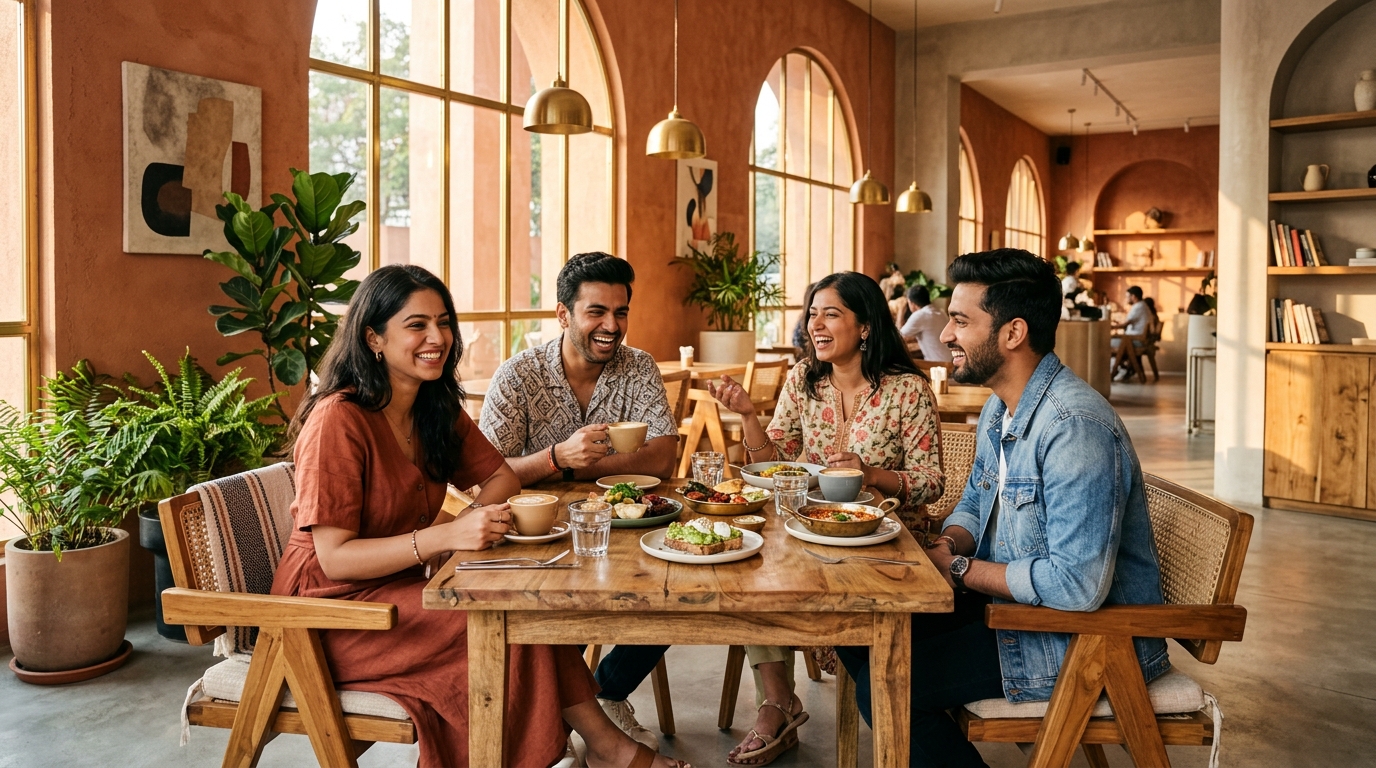
The answers shape everything. A grab-and-go coffee bar for office goers is a completely different business from a slow, all-day brunch cafe for families, even if both serve coffee. One needs speed, a tight menu and a high-footfall street. The other needs space, comfort and parking.
Then build the concept
Once the why is clear, we build the concept around it: the format, the cuisine, the price point, the service style, the look and feel, and the story the brand will tell. A concept is not a logo or a colour palette. It is a clear answer to "what is this place, and why should anyone care?"
Then find the place that fits
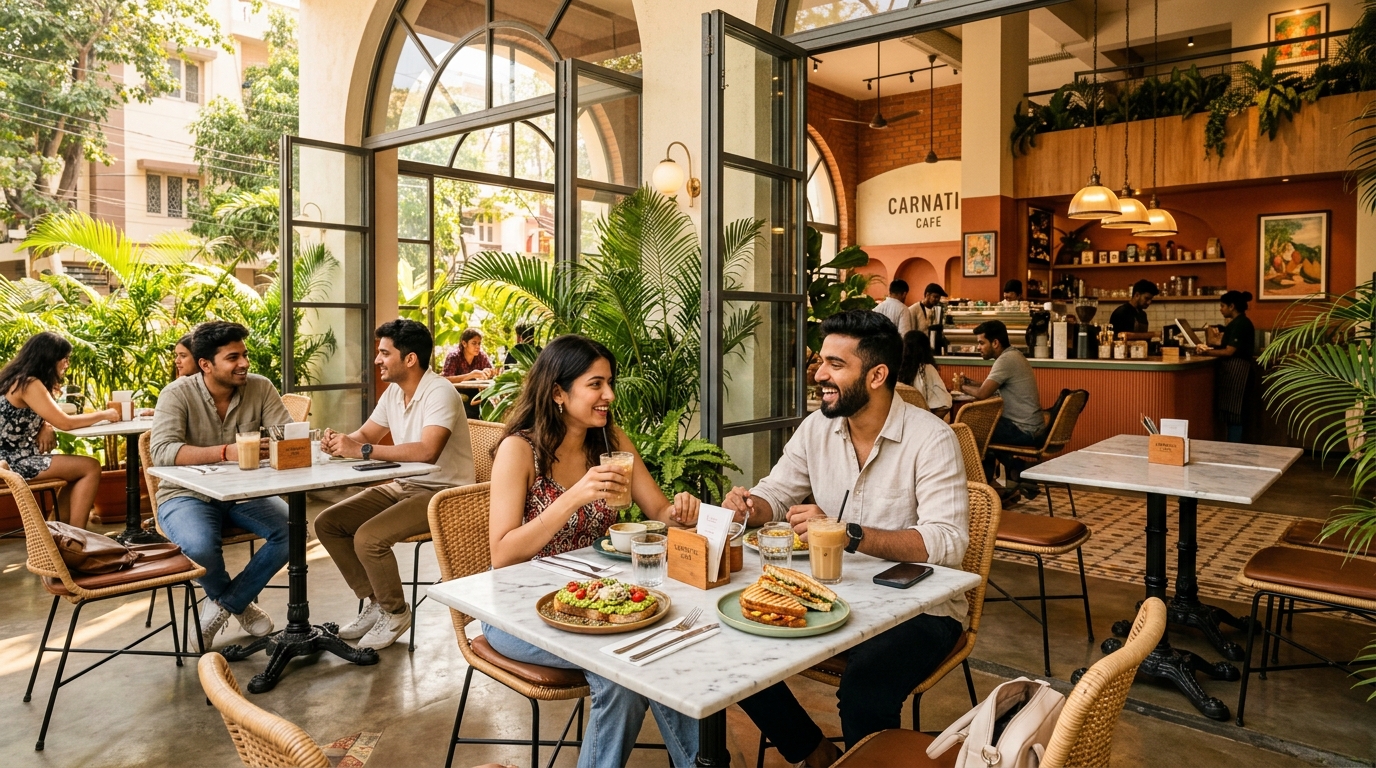
Only now do we go looking for a location. Every place has its own way of functioning. A college area, a residential pocket, a corporate park and a high street mall each have different footfall patterns, peak hours, spending habits and rent pressures. A concept that blooms in one may wither in another.
When the concept leads, the location search becomes a filter, not a gamble. You know what size you need, what visibility matters, which neighbours help, and what rent your numbers can carry.
What if you already have the space?
It happens, and it is not a bad starting point. But then the honesty has to go the other way. Instead of forcing your dream concept into that space, study the location first. Who walks past at 9 am, at 4 pm, at 9 pm? What is missing nearby? Let the place tell you what it needs, and design a concept that answers it.
Stand in a place of exploration
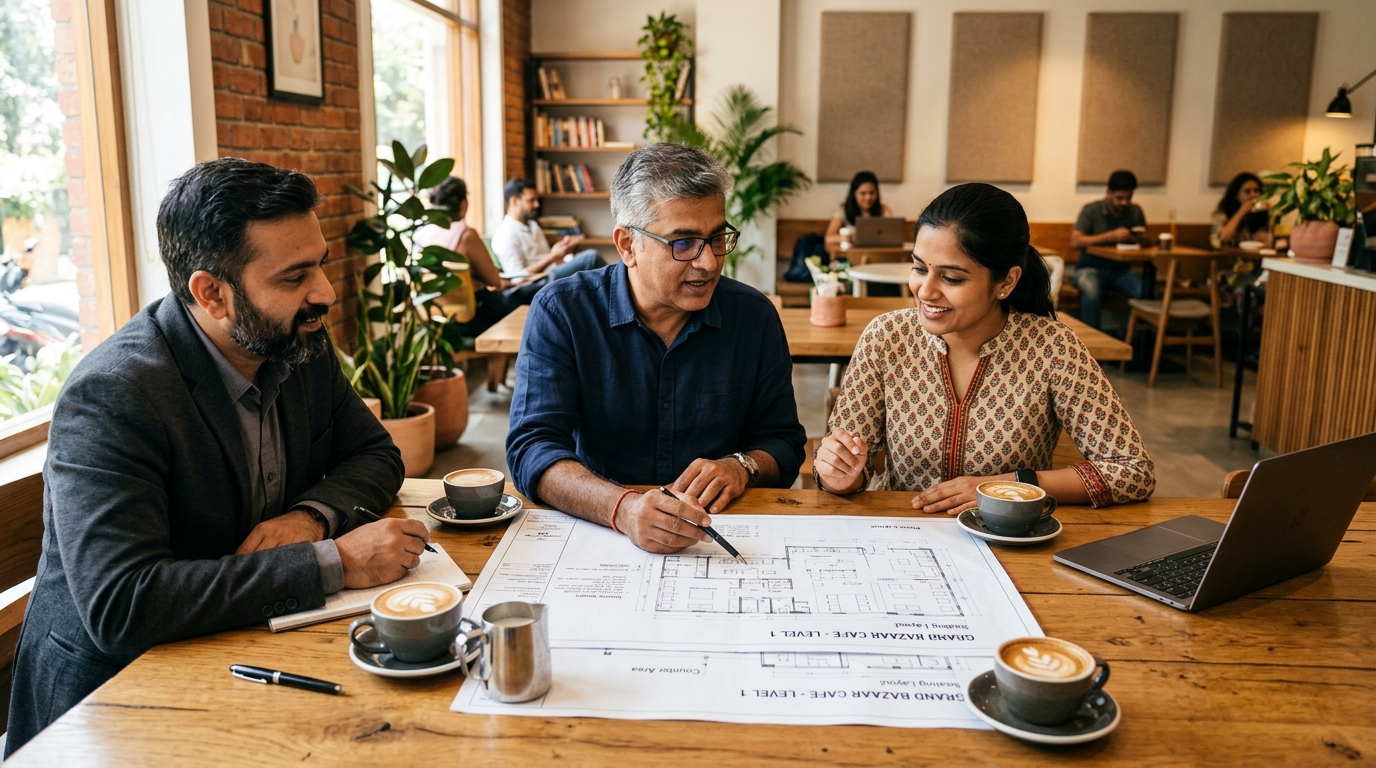
Whenever I begin a project, I try to stand in a place of "I do not know yet." Not because experience does not count, but because every market, every owner and every location is different. When a client suggests something, I do not say no. I say, "Okay, how would that work? What would we gain?" We explore it together, as a team.
That mindset is what makes the concept stage so valuable. It is the cheapest time to change your mind. Moving a wall on paper costs nothing. Moving it after the fit-out costs lakhs.
Get the why right, and the location, the menu and the brand start falling into place.
Written by Manav Sharma
Advisory MemberChef, Restaurateur & Hospitality Consultant · Chef, Restaurateur & Hospitality Consultant
With three decades in professional food service, Manav Sharma is one of the most respected names in India's hospitality industry. Senior Chef with the Taj Group, former Chef Owner of 10+ Delhi restaurants, and adviser on over 150 F&B projects across India and overseas.
Further Reading
MORE FROM THE JOURNAL
 INDUSTRY INSIGHTS5 min read
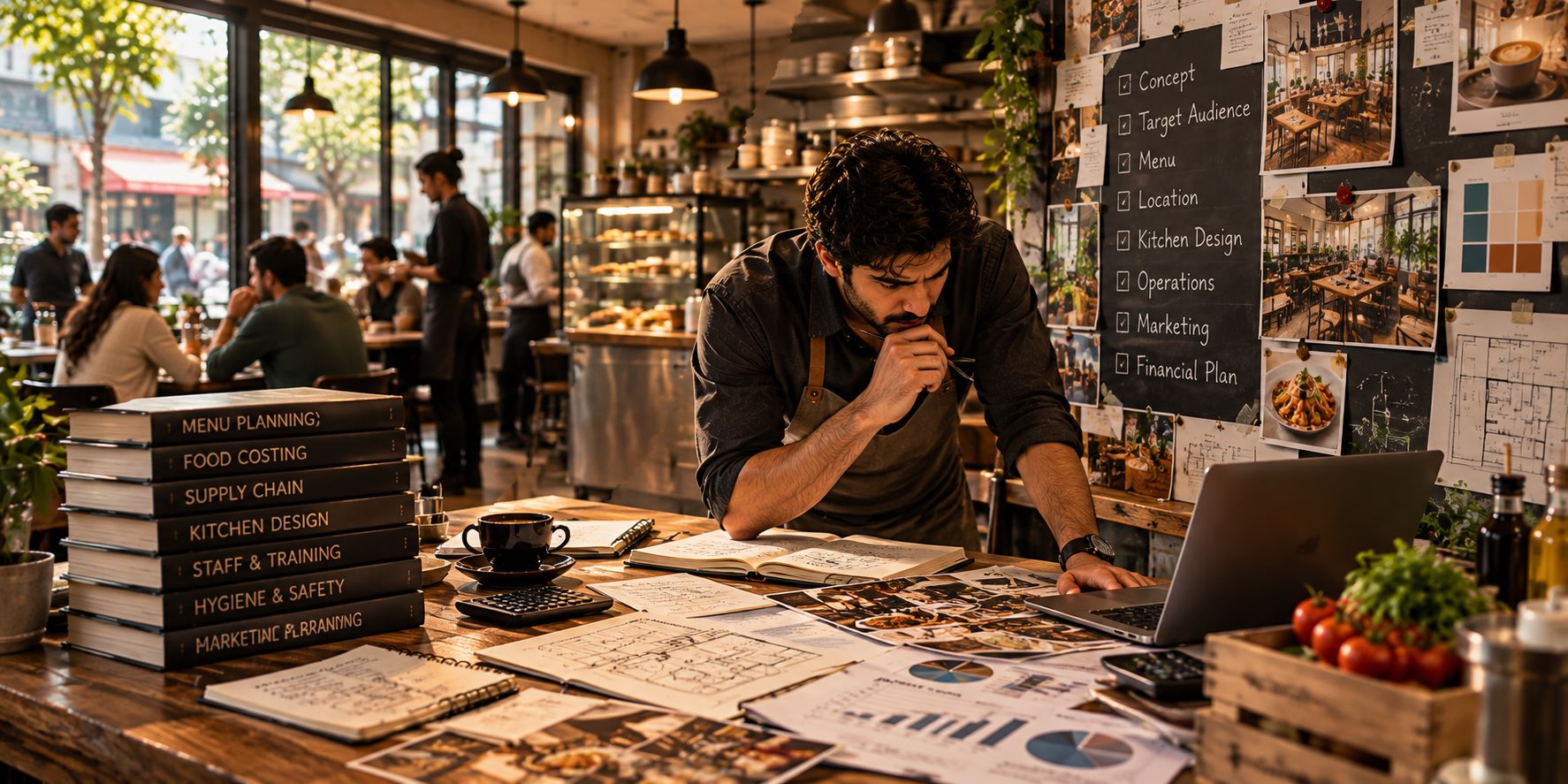
Only 5 Out of 100 Cafes Succeed. Here Is How to Be One of Them.
Out of every 100 restaurants and cafes that open in India, only about five make money. By survive, I do not mean they keep the shutters up. I mean they become profitable.
Read Article →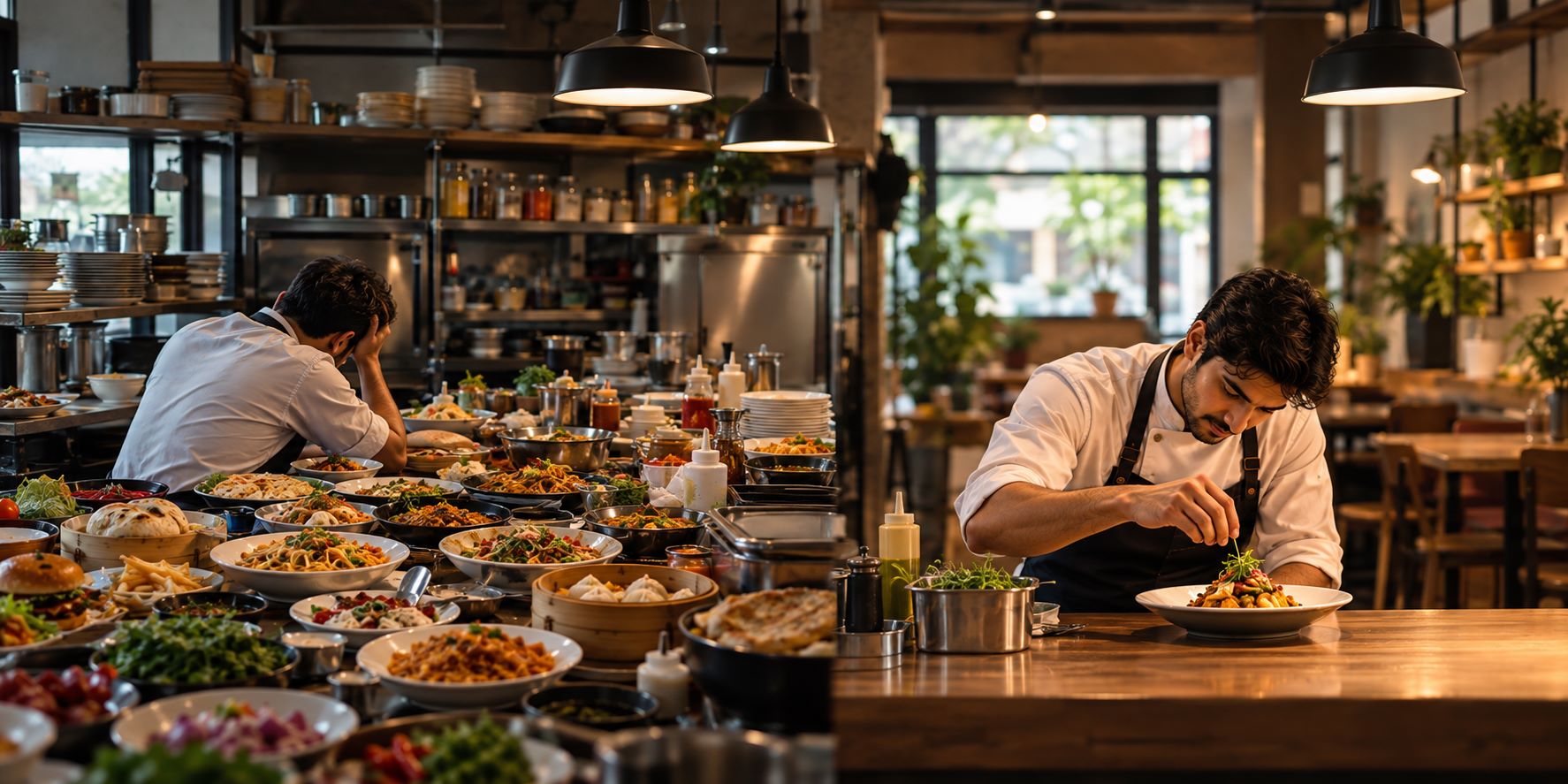 MENU ENGINEERING5 min read
A Bigger Menu Is Not a Bigger Business
When you expand a menu, the first thing that grows is not revenue—it is production. Sometimes the smartest growth decision is to do less, and do it brilliantly.
Read Article →
Get Started Today
THINKING OF OPENING A CAFÉ?
Let’s turn the idea into something people want to walk into. Tell us what you’re imagining.