
A Bigger Menu Is Not a Bigger Business
When you expand a menu, the first thing that grows is not revenue. It is production. Sometimes the smartest growth decision is to do less, and do it brilliantly.
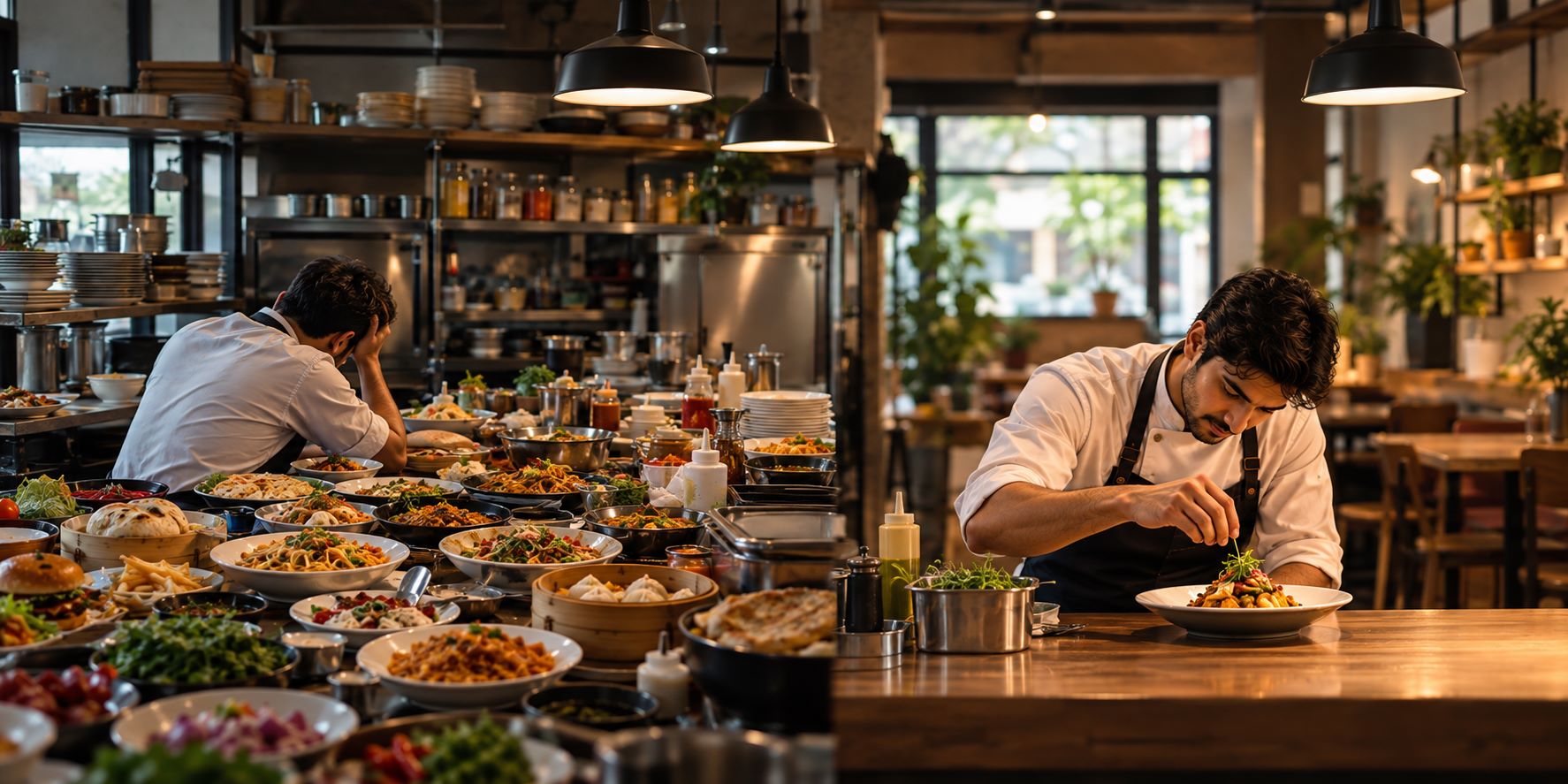
There is a thought almost every new cafe owner has at some point: "If I add more dishes, more customers will come and revenue will go up." Add some pasta. Add a few Indian mains. Add Chinese, because everyone orders Chinese.
It is a natural way to think. It is not a wrong way to think. But in my experience, it rarely works.
What a bigger menu actually increases
When you expand a menu, the first thing that grows is not revenue. It is production. Every new cuisine brings:
- More ingredients to buy, store and rotate, and more of them going to waste.
- More equipment and more kitchen space.
- More people, often specialists for that cuisine, plus cover for their weekly offs and rotation.
- More training, more recipes to standardise, and more chances for consistency to slip.
Each of these is a cost that arrives on day one. The extra revenue, if it comes at all, arrives much later.
Do the cost-benefit analysis first
Before adding anything, ask the hard question: what will this addition cost me, and what will it really earn?
Put the raw material cost, the extra space, the extra staff and the wastage on one side. Put the realistic additional sales on the other. Very often, when owners do this honestly, they find the new section would take months to break even, if ever. Meanwhile, it pulls attention away from what the cafe already does well.
The power of specialisation
Look at the places people queue for. Usually, they are known for one thing. The momo place. The filter coffee place. The bakery whose croissants sell out by noon. That is the world of specialisation, and it works for clear reasons:
- Customers remember you. "Let us go to that place for X" is the best marketing you can have.
- Your kitchen gets better at fewer things, so quality and speed improve.
- Procurement becomes simpler and cheaper, and wastage falls.
- Training is faster, and consistency holds even when staff change.
A focused menu is not a limited business. It is a sharper one.
How to grow without diluting
This does not mean a cafe should never evolve. It means growth should be deliberate. These are the principles I follow with clients:
- Strengthen the core before adding anything new. Know your top sellers and your margin on each.
- Add items that reuse existing ingredients and equipment wherever possible.
- Test new items as specials before putting them on the permanent menu.
- Remove dishes that do not sell. A menu needs pruning as much as it needs planting.
- When you are ready to grow, consider a second outlet of what already works rather than a bigger menu at the first.
This business is an iceberg
What customers see is a menu card. What sits beneath it is procurement, staffing, space and cash flow. Every line you add to that card drags a little more of the iceberg along with it.
So the next time you feel the urge to add a whole new cuisine, pause and run the numbers. Sometimes the smartest growth decision is to do less, and do it brilliantly.

Written by Manav Sharma
Advisory MemberChef, Restaurateur & Hospitality Consultant · Chef, Restaurateur & Hospitality Consultant
With three decades in professional food service, Manav Sharma is one of the most respected names in India's hospitality industry. Senior Chef with the Taj Group, former Chef Owner of 10+ Delhi restaurants, and adviser on over 150 F&B projects across India and overseas.
Further Reading
MORE FROM THE JOURNAL
 INDUSTRY INSIGHTS5 min read
Only 5 Out of 100 Cafes Succeed. Here Is How to Be One of Them.
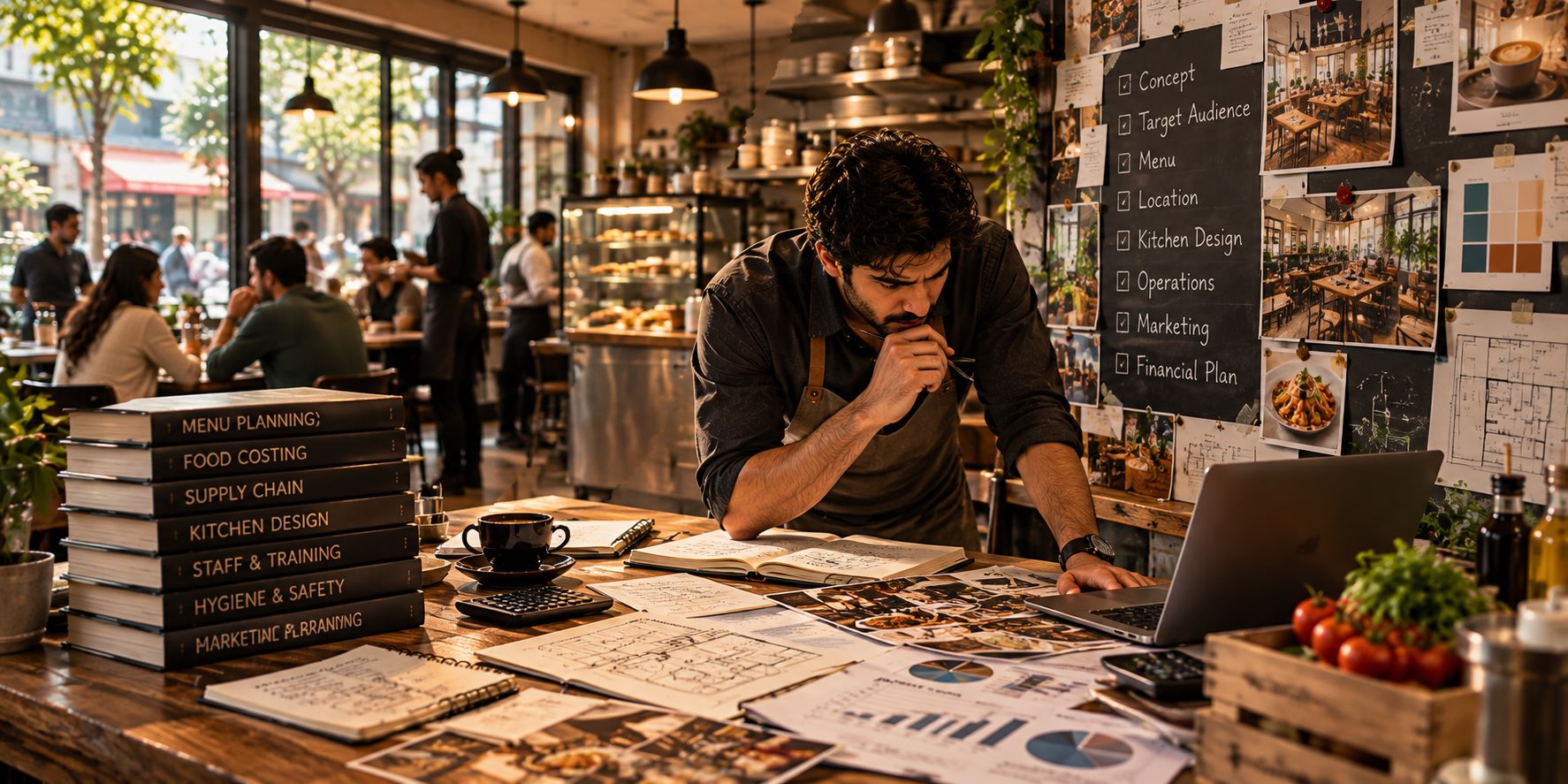
Out of every 100 restaurants and cafes that open in India, only about five make money. By survive, I do not mean they keep the shutters up. I mean they become profitable.
Read Article →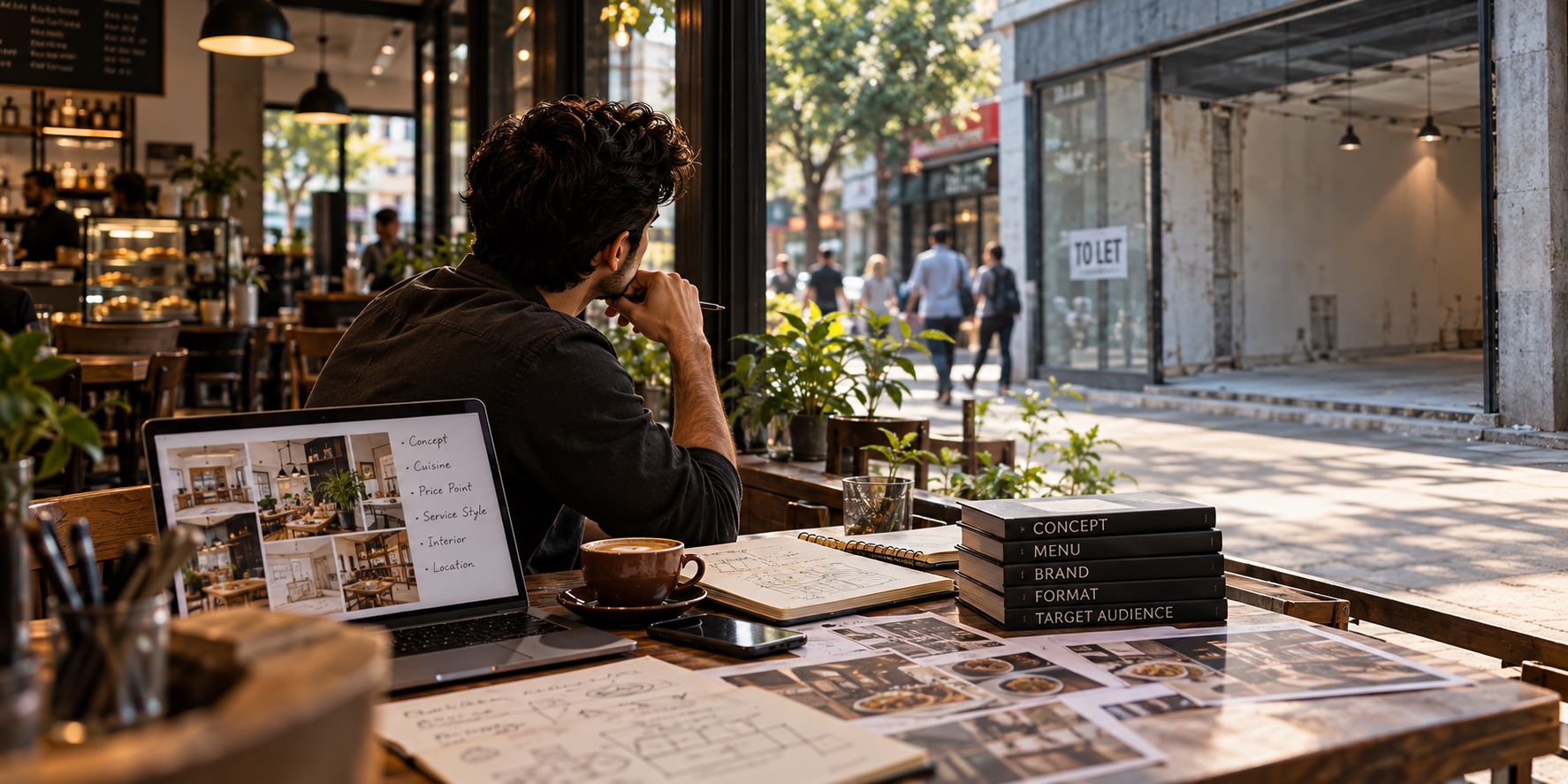 CONCEPT & STRATEGY4 min read
Concept First, Location Second: Why Your Cafe Needs a "Why"
Most people come to me with a place. I believe in doing it the other way around: concept first, then location. Get the why right, and the location, the menu and the brand start falling into place.
Read Article →
Get Started Today
THINKING OF OPENING A CAFÉ?
Let’s turn the idea into something people want to walk into. Tell us what you’re imagining.